
 Case Manager
 Search
 Meds Info

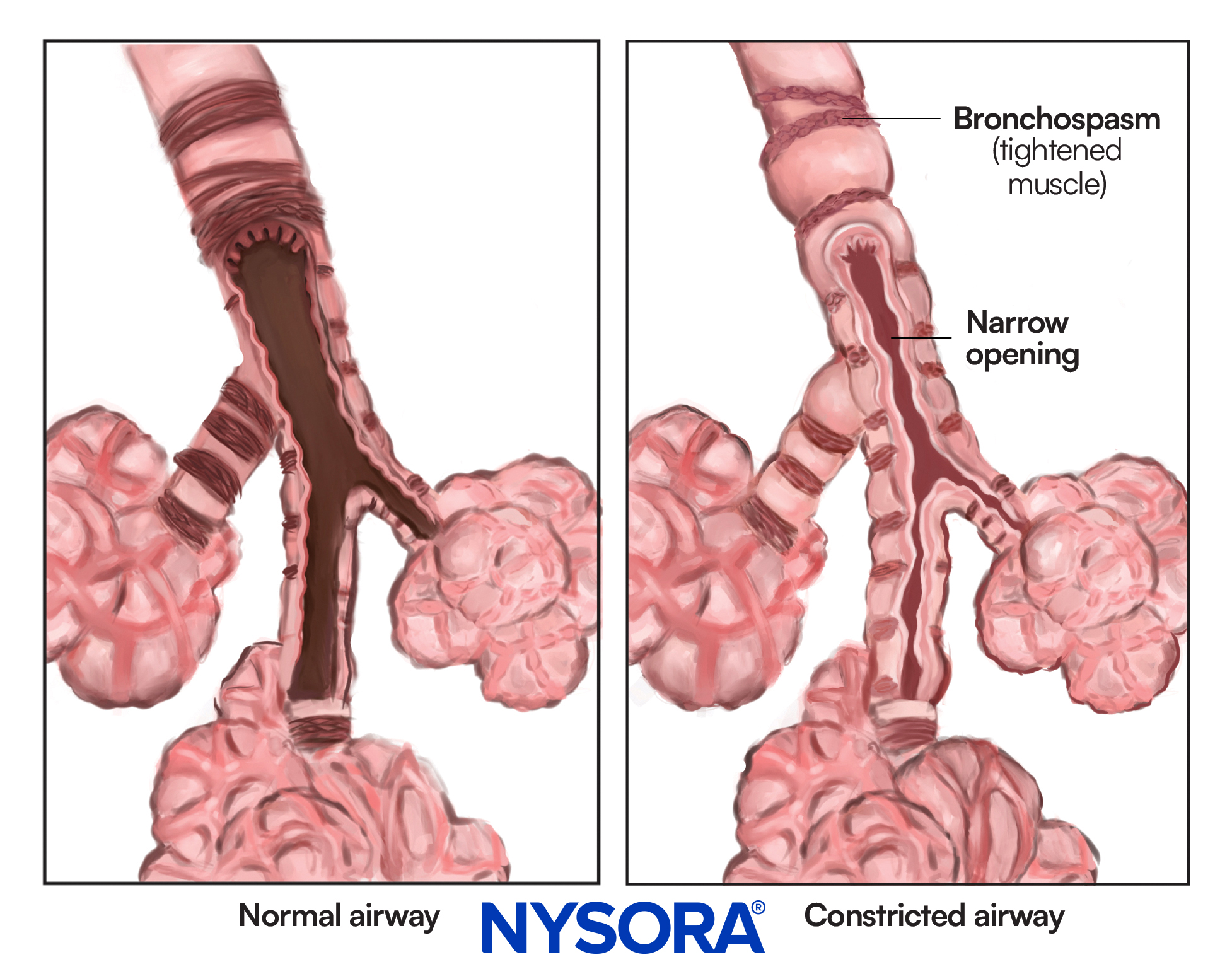
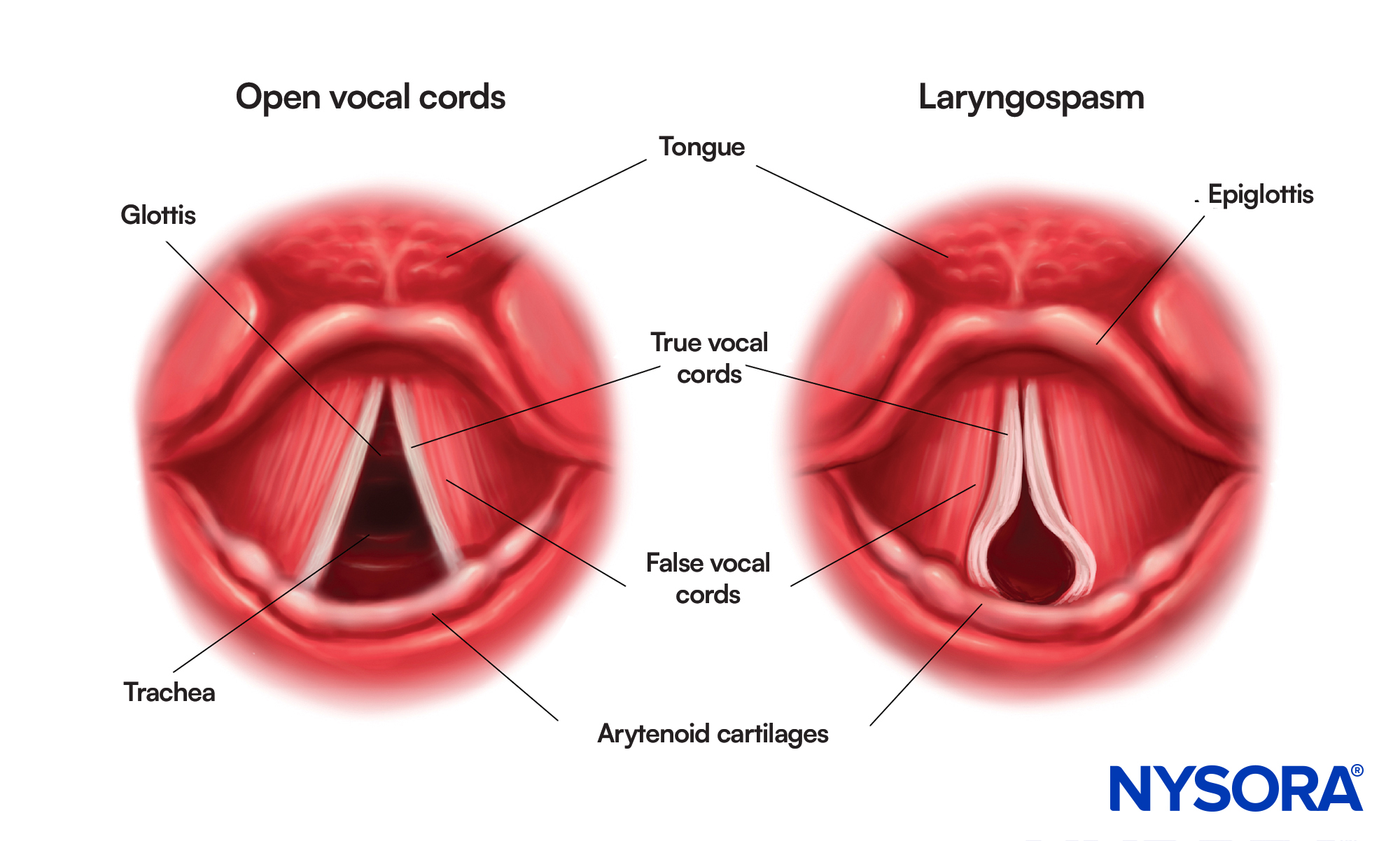
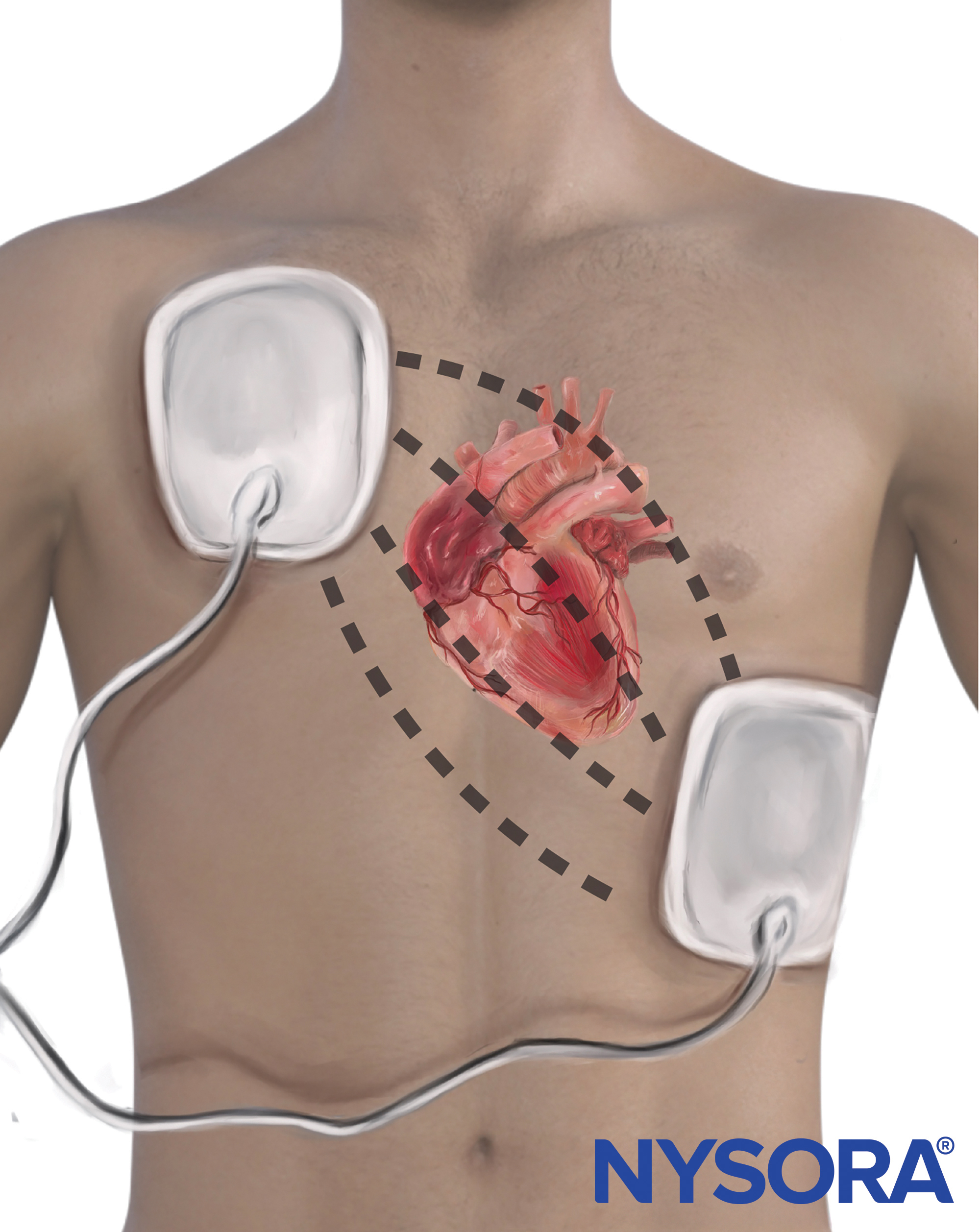
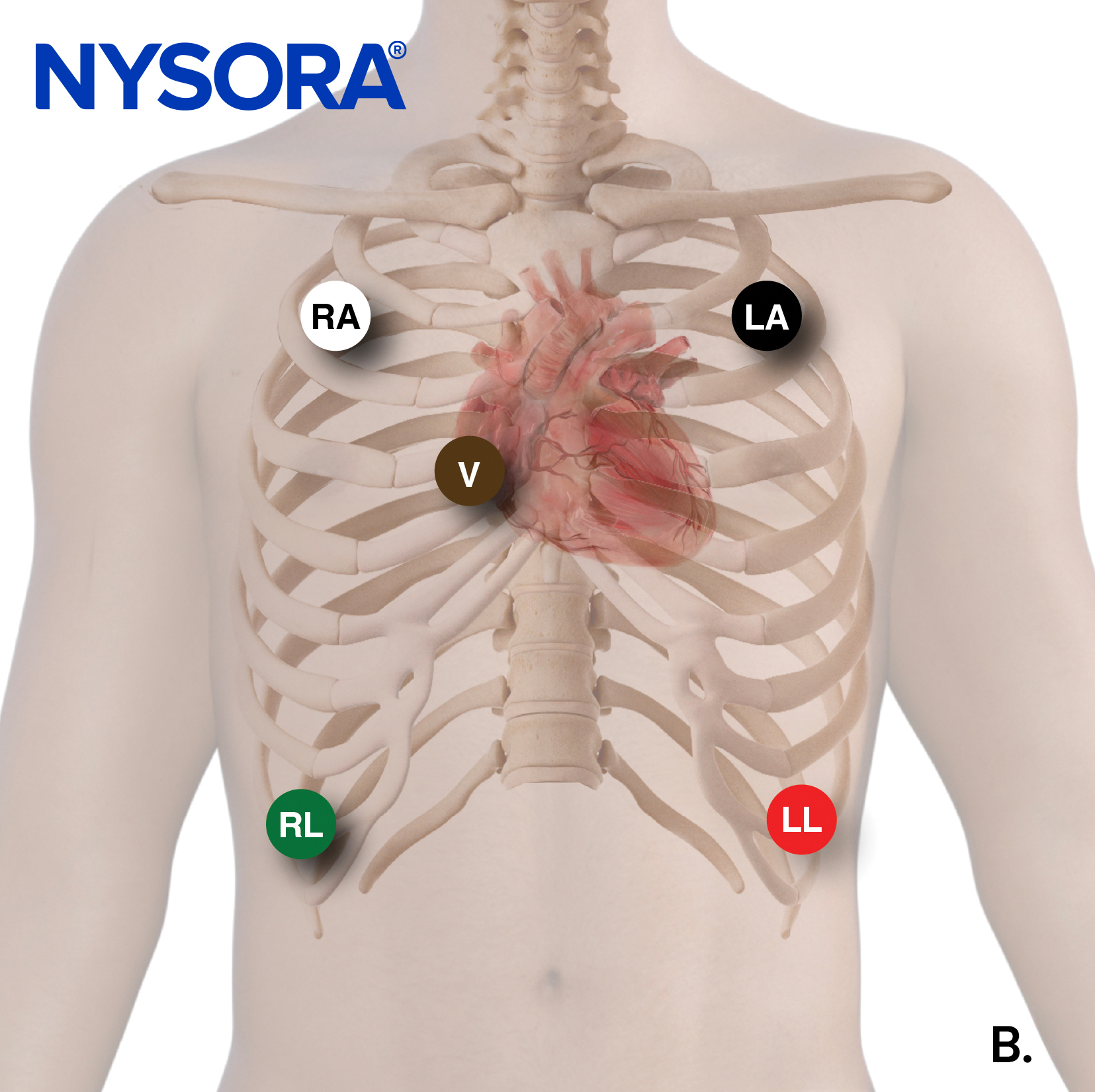
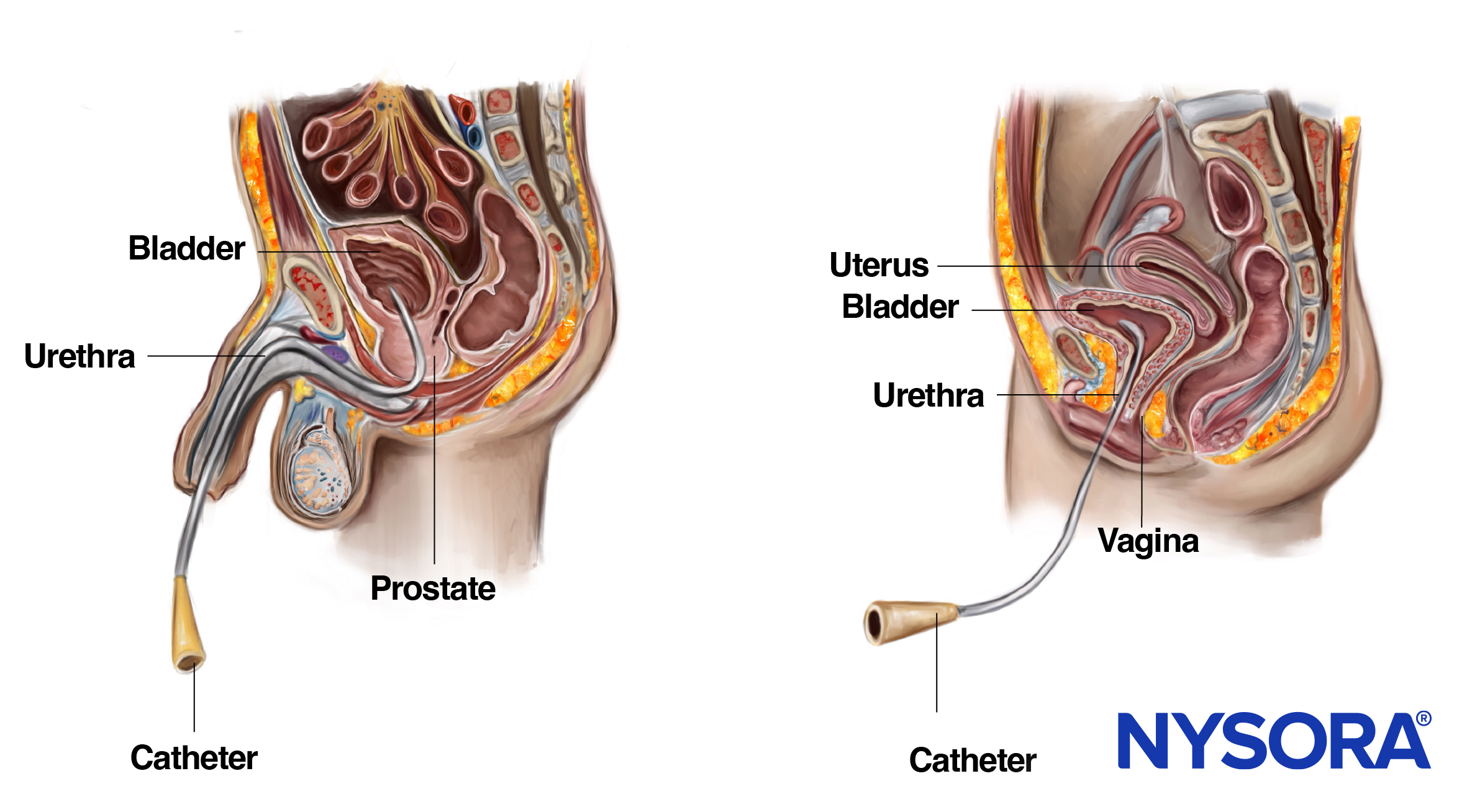
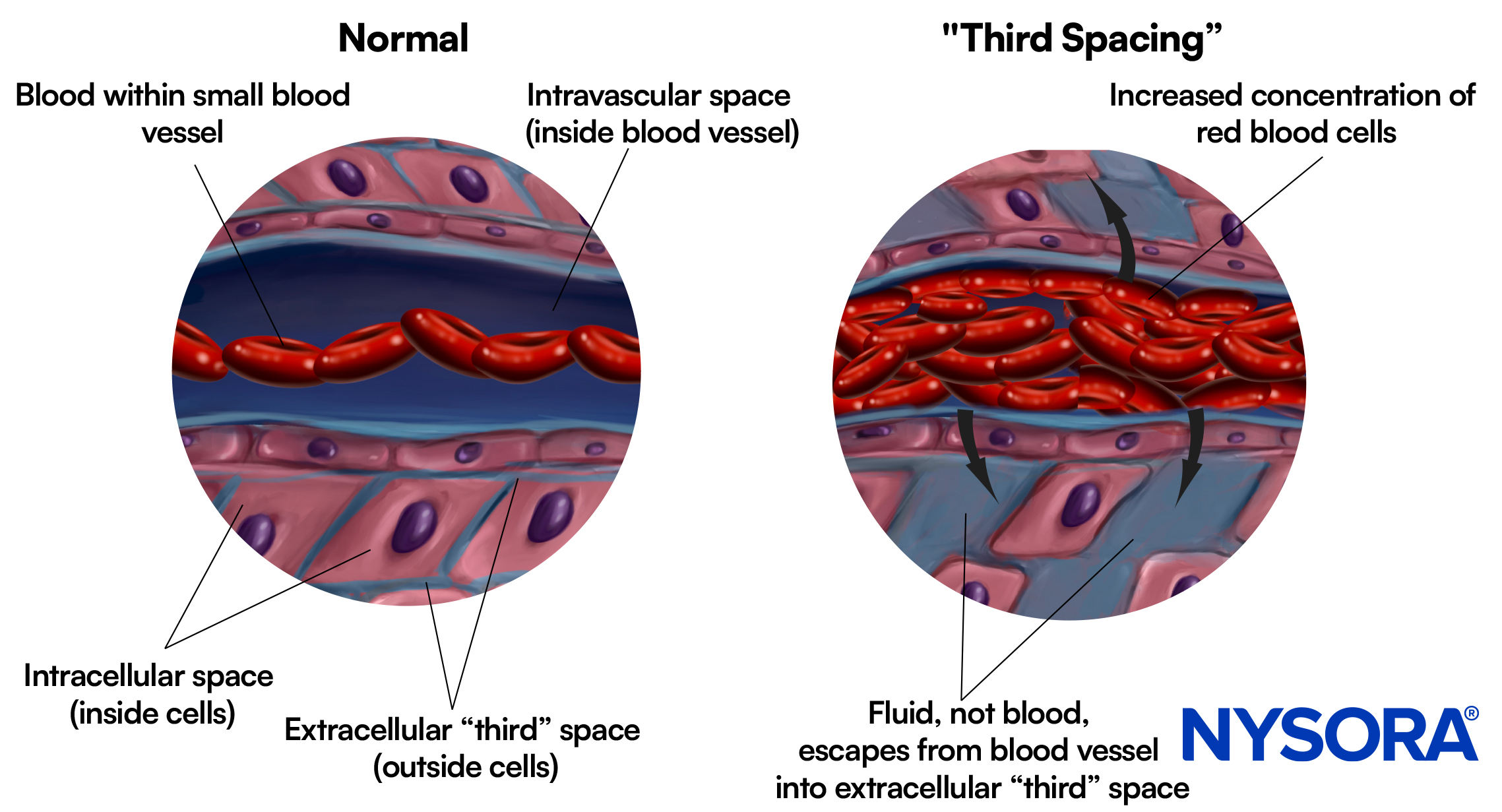
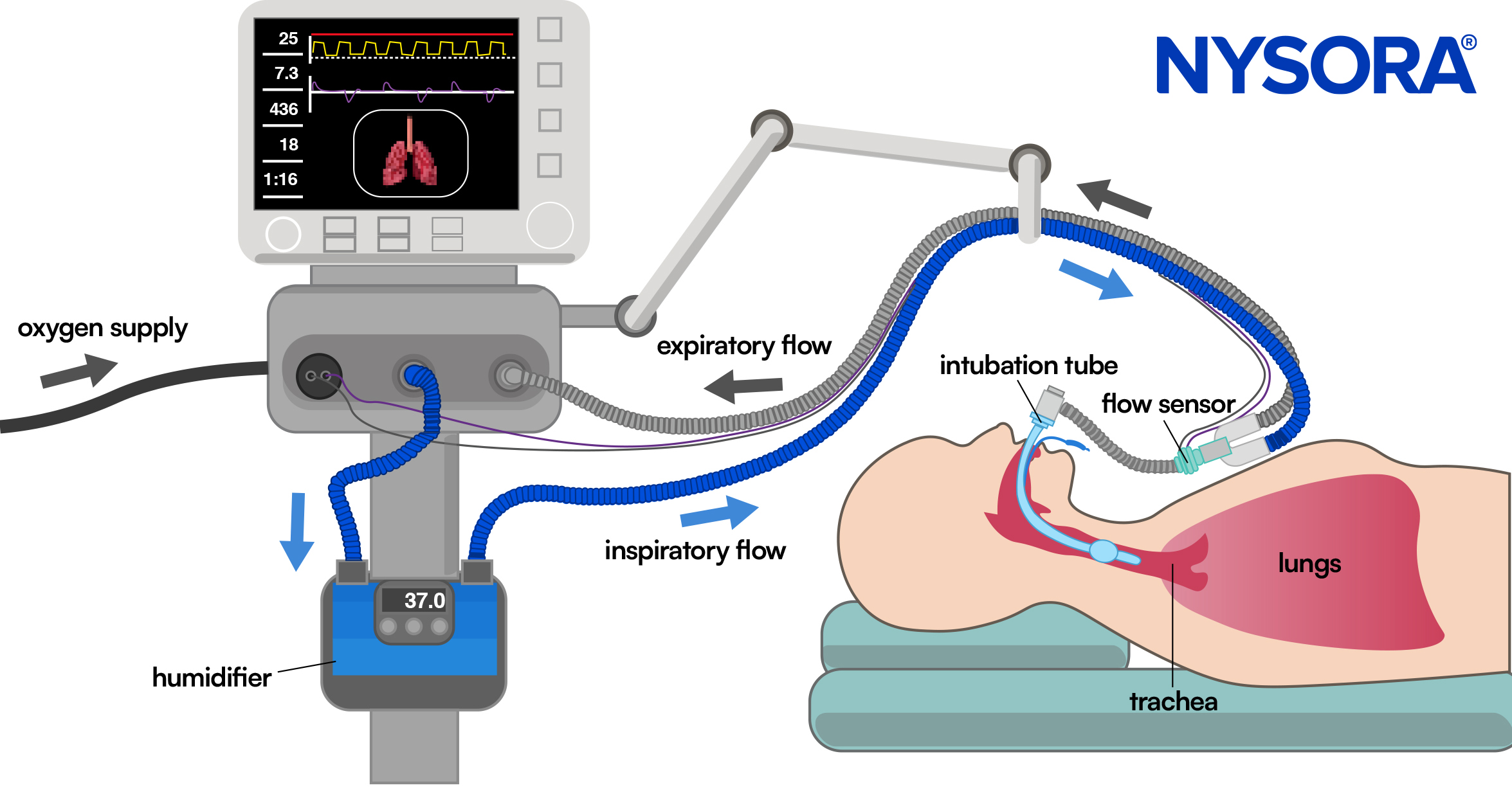


The PACU Nursing Manual is a practical, high-impact guide that equips nurses with the knowledge and confidence to care for patients during the most critical phase of recovery: the immediate post-anesthesia period. Focused on real-world PACU challenges, this manual delivers clear, actionable guidance for managing airway, breathing, circulation, neurologic status, pain, and postoperative complications in fast-paced, high-acuity environments.
Written for both new PACU nurses and experienced clinicians, it supports bedside decision-making, unit orientation, and ongoing professional development without unnecessary theory or overload.
What will you learn?
- Immediate assessment & stabilization: ABC-based evaluation during the first critical minutes in PACU, including airway, breathing, circulation, and early complication recognition
- Airway, respiratory & hemodynamic management: Practical management of hypoxia, hypoventilation, hypotension, hypertension, arrhythmias, bleeding, and shock
- Neurologic recovery & safety: Monitoring emergence from anesthesia, delirium, cognitive dysfunction, seizures, and stroke
- Pain, comfort & sedation management: Multimodal analgesia, opioid safety, sedation monitoring, and prevention and treatment of PONV
- High-risk patients, emergencies & discharge readiness: Care of special populations, structured crisis response (e.g., MH, LAST, anaphylaxis), and safe discharge criteria with effective handoff communication
What makes this module unique?
- PACU-first perspective: Written specifically for post-anesthesia nursing, not adapted from ICU or anesthesia textbooks
- Manual, not a textbook: Concise, focused, and practical, only what matters at the bedside
- International expertise: Developed by anesthesiologists and PACU nurse educators with frontline experience
Key learning features
- Short, focused chapters optimized for rapid reference during shifts
- Step-by-step assessment and intervention frameworks
- Tables, checklists, and algorithms for quick decision support
- Practical tips, red flags, and escalation cues
- Clinical scenarios that connect theory directly to bedside practice



 +56
enrolled
+56
enrolled
Not Enrolled
Course Includes
- 22 Lessons
- 169 Topics

Login
Accessing this course requires a login. Please enter your credentials below!